Ashley
Battling with a Bloated Stomach? Discover 9 Effective Ways to Alleviate Symptoms

Are you constantly dealing with a bloated stomach? Nutritionist Rob Hobson shares what causes bloating, and nine ways to help relieve symptoms
You may have a bloated abdomen for many different reasons.
In fact, in a survey conducted by Healthy – a platform for self-care that offers medically validated health advice – on gut problems, over two thirds (66.6%) of 500 women said bloating is a major issue and has a negative effect on their lives.
Healthista spoke with Rob Hobson who is the Head of Nutrition for Healthspan. He explains what you need to know to relieve bloating and how to do it.
What is the feeling of bloating?
Bloating is a common and unpleasant sensation. Research shows around 16-30% of people regularly experience bloating.
Women seem to have more symptoms of a bloated stomach than men. This may be due to hormonal differences. Men are less likely than women to seek medical attention for bloating symptoms.
Around 16-30% of people suffer from it regularly
This feeling is a combination of a feeling of fullness and symptoms like a swollen stomach.
Burping or passing wind can cause explosive releases of gas. This is often accompanied by abdominal pain, distension and other embarrassing sounds.

What are the common causes of bloating and indigestion?
Certain foods, like beans, pulses and lentils, can cause bloating. The foods that are high in fiber can cause bloating, especially for those who adopt a plant-based diet.
As the body gets used to increased fibre consumption, the bloated stomach effect subsides. It is important to increase your fluid intake as it helps fibre to swell and perform its function correctly.
Bloating can be caused by stress and anxiety
Bloating can be caused by eating habits, like eating quickly or on the run. Stress, anxiety and food intolerances can all impact bloating.
Professor Maureen Baker, from Healthy Smart Symptom Checker, says that if your bloated abdomen persists or keeps returning for more than two weeks then you should see your doctor in order to rule out other causes.
What foods can cause bloating on a vegan diet?
Bloating is often caused by foods high in FODMAPS. These foods are high in short-chain carbohydrate that passes straight to the colon where it is fermented by the gut bacteria. This produces gas.
Foods high in FODMAP include:
- Garlic, onions, mushrooms, artichokes and cruciferous veggies (e.g. cauliflower, broccolin, cabbage, kale).
- Apples
- Nuts, grains, rye, wheat and barley, legumes and beans
Bloating can be caused by a diet rich in vegetables
Bloating can be caused by a change in your diet.
Bloating and wind are common side effects for those who decide to go vegan, or simply increase their intake of plant-based food and reduce meat consumption.
Bloating may result from the consumption of more plant foods
The effects of this diet can be temporary as the body adjusts. However, in some cases you may need to make adjustments to your diet to alleviate these effects.
It is healthy to switch to a more plant-based diet, however, in the beginning, this may cause bloating. Do not let this discourage you. You can adapt your body to this new way of eating.
READ MORE: What causes me to be bloated? What hormones do to your digestion and what you can try?
Many people who are new to vegetarianism can fall into the traps of eating processed food or restricting their diet. This may be due to lack of knowledge about how to prepare vegetarian meals.
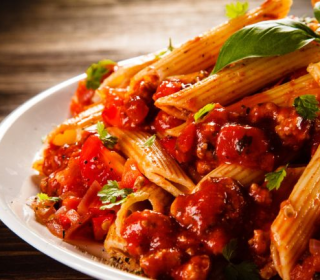
Some people may experience bloating from processed foods such as breaded products or, in the case vegetarians, an excessive intake of food like pasta and cheese.
Any person who follows a plant-based eating plan of any kind must ensure that they get enough nutrients to maintain their health. It may require a bit more cooking and preparation.
There are many quick, easy and nutritious recipes available online.

Eight ways to reduce the risk of an inflated stomach when eating a vegetarian diet
There are many ways to reduce bloating, whether you’re a flexi-vegetarian, a full-on vegetarian, or if you choose to go vegan.
Let your beans soak overnight, then cook them with bay leaves or seaweed.
Let the dried beans soak overnight, before cooking. This helps break down complex sugars which can cause bloating.
Canned beans are a convenient and better option because they have already been soaked.
Add seaweed or bay leafs to the water when cooking dried beans after soaking. They contain enzymes that can help breakdown indigestible sugars.
Choose your lentils carefully
Lentils contain a lot of minerals (calcium magnesium iron), and they are a great addition to any plant-based diet.
Red lentils are a lighter colour than brown or green lentils.
The different lentils have varying amounts of fibre, which can cause bloating. Try choosing lighter colored lentils such as red over green or brown, which contain more fibre.
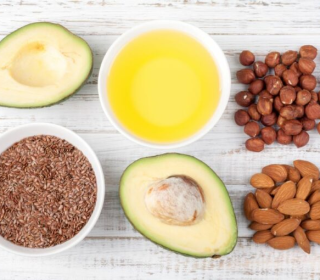
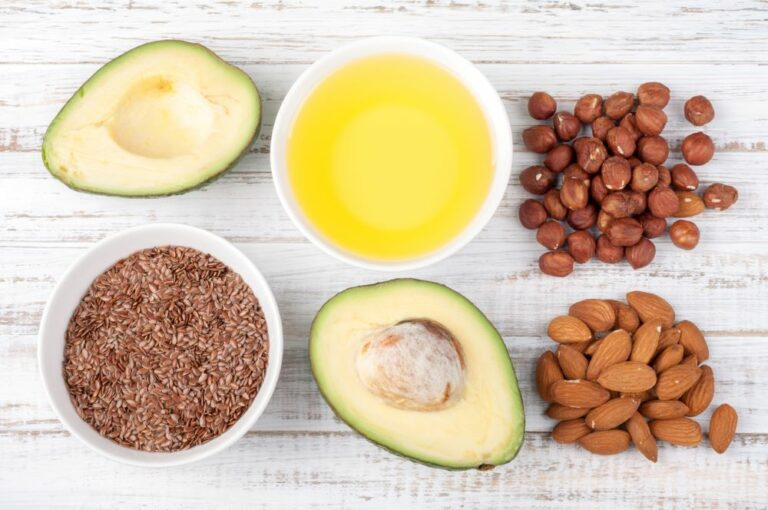
Third, soak your nuts and seeds
Some foods such as nuts and seeds contain phytic acids or phytates. This is the form of phosphorus stored in plants. Other foods that are high in phytates are lentils, raw wheat bran and some dark green leafy veggies such as spinach.
These compounds are enzyme inhibitors that interfere with digestion. They cause bloating, encourage a bloated stomach, and limit the absorption minerals like iron, zinc and calcium. You can overcome their effect on mineral absorption by eating plenty of food rich in these vital minerals.
It is possible to make nuts and seeds more digestible by soaking them or sprouting.
Reduce your intake of cruciferous veggies
Cruciferous vegetables includes broccoli, cabbage and cauliflower. You are probably familiar with their ‘windy effect’.
Bloating can be caused by these foods because we lack the enzyme to break down the complex sugar raffinose. This sugar ferments in the intestine and causes excess gas.
Cruciferous vegetables contain more nutrients and minerals than other vegetables.
Do not cut them out. If bloating is a problem, limit your intake at first and then gradually increase it.
Try herbal teas
After eating, herbs such as fennel and caraway seeds can relieve excess gas. This works by loosening your ‘valve,’ which connects your stomach and oesophagus. It helps to expel gas from your stomach.
Add fresh mint, caraway and fennel to boiling water in a teapot.
It helps to loosen the valve that connects your stomach with your oesophagus
This tea can cause reflux, causing it to enter your oesophagus easier.
Replace onions with fresh herbs and spices
Onions are often referred to as a ‘bloating vegetable’ because they contain fructans , which are known to cause bloating.
Some people may have more problems with raw onions, so it is best to cook them first. Most savoury dishes include onions as a main ingredient.
If you are still experiencing bloating, herbs and spices can be substituted for onions.
#7 Limit the intake of raw vegetables
Raw vegetables are often touted to be more nutritive. They can cause bloating, however, as they are harder to digest. By cooking vegetables, you can start to break down these foods and make them easier for your body to digest.
A side note. After cooking, certain compounds, like the carotenoids, (antioxidant substances) in red and orange food, become more accessible.
By cooking vegetables, you can start to break down these foods and make them easier for your body to digest.
The way you cook, and for how long can make a big difference. If you eat raw food, try to avoid eating it after 4pm.
#8 Swap whole grains with white varieties or pseudograins
Whole grains like brown rice, barley or spelt may cause bloating for some people. These grains are good sources of fibre but there’s no harm in switching over to white rice.
By following a diet based on plants, you will increase your fibre intake.
Another option to consider is pseudo-grains. They may help reduce bloating. They are made from seeds, such as quinoa or buckwheat. These may be easier for some to digest and help reduce bloating.
#9 Eat mindfully
Be mindful of how you eat. Set aside time to eat mindfully.
Take your time and chew your food thoroughly to maximize the production of digestive enzymes.
What else can you do to prevent a bloated abdomen?
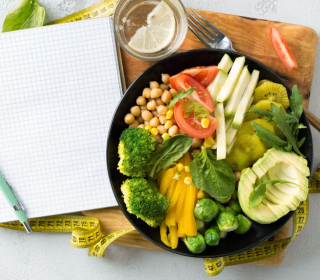
To adopt a healthy veggie diet, you should increase your intake of fibre-rich foods. You may still want to take it slowly in order to reduce the risk of bloating, while drinking more water.
It is a myth that a diet based on plants, in any form, is healthier than one based on meat.
In the past decade, plant-based foods have changed drastically. Now it is very easy to become a vegan or vegetarian who is unhealthy. It is mainly due to the availability of processed foods with high sugar content and bad fats.
Now it is very easy to become a vegan or vegetarian who is unhealthy
A diet high in sugar, bad fats and a lack of certain food groups can all affect your gut health. When planning meals, always stick to healthy eating principles.
Try Healthspan Pro or a Multivitamin for vegetarians and vegans to keep your gut healthy.