Ashley
7 Science-Backed Natural Methods to Boost Fertility
Before you spend thousands of dollars on IVF, consider your lifestyle. There are many natural ways that can increase fertility, according to Nutritional Director Rick Hay
It’s obvious that if you are trying to have a child, your health and lifestyle must be in top form if you hope to conceive a healthy baby.
Rick Hay, nutritional director at Hay Nutrition, explains how optimum nutrition and lifestyle are essential for healthy egg production in women. But a healthy life style is also important for men to ensure they have a surplus of healthy sperm.
After 35 years of age, it can be difficult to conceive.
As we age, conception becomes more difficult. Hay explains that after the age 35, conception can be difficult because of declining sperm quality and eggs.
Infertility can be defined as the inability to get pregnant despite regular, unprotected sexual activity for at least a year. Around one in six couples in the UK may experience difficulties conceiving.
It can be due to factors like health, fitness or lifestyle habits. You can make some lifestyle and health changes to increase your fertility and improve your chances of conception.
Men need to be aware too. Infertility in men is the inability to get pregnant in a fertile woman. This accounts for up to 50% of all infertility cases.
Infertility in men is usually caused by a decline in sperm motility, quantity or quality. It can be caused directly by genetic abnormalities, but it can also be a result of conditions that can be treated with nutritional interventions and lifestyle changes.
As with women, smoking, alcohol consumption, obesity, poor nutrition, medication, and general health can all contribute to low testosterone in men. This has an impact on sperm production and quality. Also, men’s ageing can lead to a decrease in sperm production and quality.
You can boost your fertility naturally in five ways.
Stop smoking and reduce alcohol consumption
Smokers, I hate to tell you this but you must stop smoking to increase your chances to get pregnant.
Hay explains that smoking can reduce fertility up to 40% and age you by 10 years. Smokers are also three times as likely to wait more than a year to become pregnant, and to enter menopause three years earlier on average than non-smokers.
Both alcohol and cigarette smoke can have a negative impact on your hormonal health. They can also cause developmental issues in the baby if you do become pregnant. Alcohol and cigarette smoke can both lower your libido.
Smoking can lower sperm counts in men and cause damage to the linings of the womb for women. Women who smoke can also have their ovarian function (ovulation) disrupted.
A study from 2015 found that smoking by men increased the risk of miscarriage, while smoking by women had a negative effect on the ovarian reserves.
Smoking reduces fertility by as much as 40%
Alcohol in excess can cause havoc to the delicate female hormonal system. The liver is responsible for the majority of the body’s toxins. If the liver is overburdened by alcohol or tobacco toxins, it cannot do its other important job of cleaning up substances and hormones that are made in the body.
These toxins will have adverse effects on your fertility if they are not cleared by your liver. The build-up of toxins in the body can lead to an excess of oestrogen and lower levels of progesterone.
NHS recommends to try and reduce alcohol consumption or, ideally, to give it up. It is not harmful to have a glass of wine every couple of days.

Alcohol consumption can have a negative impact on male sperm. Alcohol disrupts blood sugar levels, and excessive glucose in the circulation damages sperm and destroys folate, a B vitamin that is vital. Men are advised to drink between two and three units per week.
Watch your body fat percentage
Your body weight and fat percentage should also be considered. Your body fat percentage and weight at either extreme may affect your fertility.
Infertility can be the result for women with a low body fat percentage. They may experience symptoms like amenorrhea, which is an absence of menstruation or a series of missed periods.
A high body fat is linked to a lower level of SHBG (sex-hormone-binding globulin), a liver-produced protein. This lack of SHBG can lead to a surplus of oestrogen which can lead weight gain, depression, bloating and insomnia.
Amenorrhea, the absence of menstruation can be a sign that your body fat percentage is too low.
Keep your weight steady to find the perfect weight. You can achieve this by eating organic, wholesome food and seasonal fruits and vegetables.
Eat food as cleanly and nutritiously as possible. This means purchasing organic foods where possible and not over-processing the ingredients. Consume a diet based on seasonal, colourful fruits and vegetables.
You don’t have to give up all of your favorite foods. It’s okay to still enjoy your favorite foods, but make healthier alternatives that are just as tasty.
You should also be aware that some meat and dairy products contain hormones. Choosing organic meat and dairy can reduce your exposure and symptoms associated with excess oestrogen.
Try adding some phytoestrogenic food into your diet. These will counteract any effects of excessive estrogen. These phytoestrogens occur naturally in plants, such as in pomegranate seeds, flaxseeds and oats.
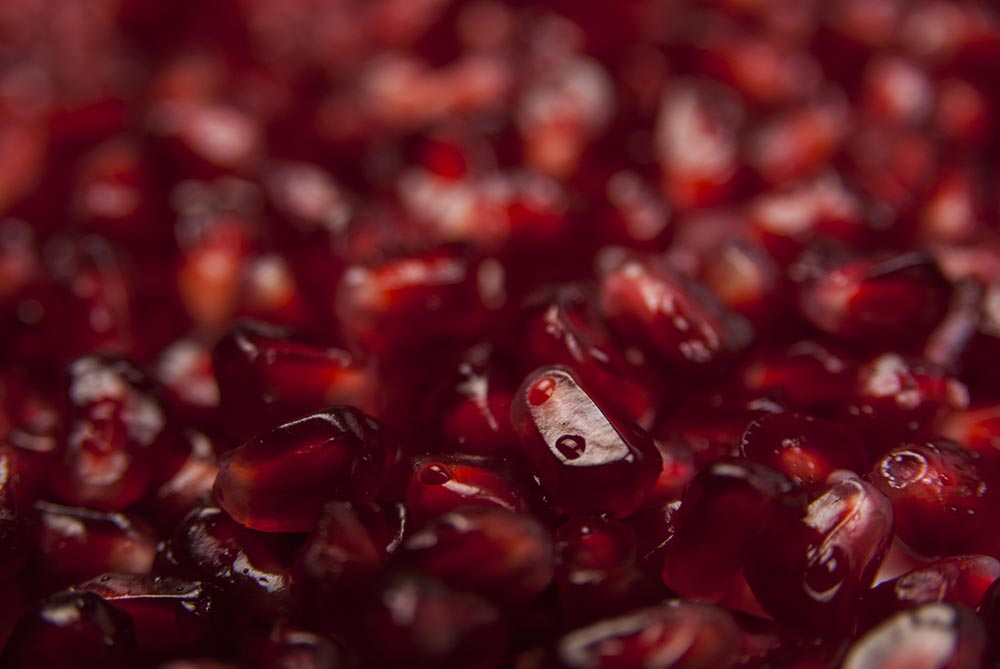
The pomegranate is rich in vitamin C, vitamin k, folic acids, and other vitamins and minerals. They have anti-ageing, anti-cancer, cardiovascular, bone, and fertility-boosting properties.
Pomegranates are still a symbol of fertilty in many countries. research has shown that drinking pomegranate during pregnancy can prevent brain damage to babies.
You guessed it, regular exercise is another way to maintain your weight and body fat. You can also walk instead of taking the elevator in the evening or during your lunch hour. Keep your weight healthy to improve your fertility.
Find out how to manage stress
If you want to become pregnant, you should start to think about stress reduction and reducing or eliminating caffeine.
There is no direct link between stress and reduced fertility, but there are many studies that show too much stress can activate the sympathetic fight-or-flight response in the nervous systems. This can result in elevated levels of cortisol.
Hay explains that the hormones insulin and cortisol must be working correctly in order to not interfere with reproductive hormones.
Stress hormones can cause an imbalance of fertility hormones, which can negatively affect your organs. High blood pressure, sleep problems and a lowered libido can be caused by this.
Stress can lead to unhealthy lifestyle choices, like smoking, drinking too much alcohol, or eating too much sweets. These are all bad for fertility.
Meditation, yoga and mindfulness, spending time outdoors, taking a bath, or simply being with friends can help you manage stress.
Early studies have shown that stress can reduce the chances of natural conception.
In a recent American study, 501 couples were studied over a period of 12 months. The results showed that couples with high levels of stress had fewer chances of becoming pregnant and a higher risk of being infertile.
Researchers have also found that infertile patients are less happy and socially active, as well as having a reduced libido. Couples who take longer to conceive are more stressed. So, try not to obsess about your fertility. It will only cause you to stress out and create a vicious circle.
Your environment may also affect your fertility.
It turns out that our environment can have a profound effect on our fertility. We may not even be aware of it.
It is important to select organic and seasonal food. You’ll be able to tell that the food has not been affected by hormones or pesticides. It will also have fewer chemicals, preservatives and additives.
We are aware that many farms use pesticides to produce uniform and high-volume goods. While buying organic food may be an option for some, it is not always affordable.
The Clean 15 is a useful tool to help you identify foods that contain less pesticides and the Dirty Dozen (foods to avoid). You can find a US version as well as a UK version.
Do you ever use your laptop on your lap, or do you keep it in your pocket? Do you always keep your mobile phone in your pocket or purse? You most likely answered yes to these questions.
We need to keep electronics away from our sperm because of the radiation emitted by mobile phones and computers.
It is vital to keep your testicles cool. Nature has created them to hang outside the body in sacks so that they can keep cool.
Sauna use, excessive exercise, using laptops on your lap, and external heat sources like ovens, baths or car seats, can all affect sperm quality.

In a “hot environment”, male chefs are more likely to experience infertility, as their testicles will be exposed to heat from stoves and ovens.
Also, those who love to cycle may have problems with their sperm due to wearing tight underwear or cycling for long periods of time.
#5 Supplement with zinc and selenium
You may want to consider a natural fertility supplement if you’ve tried everything else and still have problems.
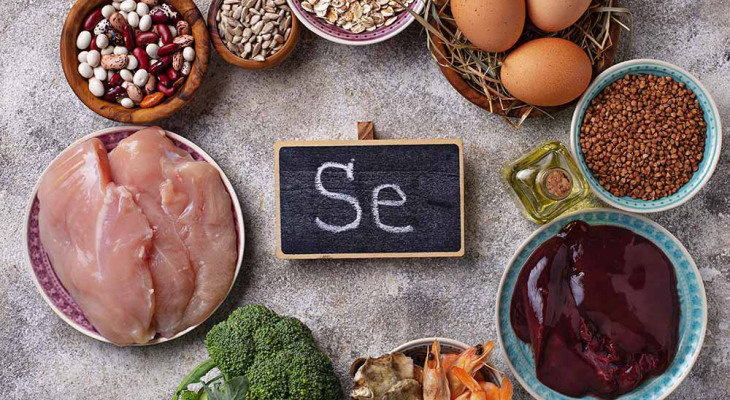
Hay suggests that if you want to improve fertility, it is best to choose a supplement containing both zinc and selenium. These minerals are vital for men and women, and they are also essential for fertility. They help with embryonic development and sperm quality.
Both zinc and selenium are essential for the immune system to function normally.
According to the World Health Organisation, 17 percent of global population are vulnerable to zinc deficiencies in their diet. This is bad news for fertility.
Zinc contributes the normalization of testosterone levels in men’s blood. To be fertile, men must produce between 40 to 300 million sperm.
It has been proven that increasing zinc levels in male sperm improves their structure and function, as well as the strength, mobility and motility needed to travel through the female to fertilise.
What about women? Zinc is an important fertility nutrient. Hay explains that zinc can aid in normal fertility by maintaining a healthy balance of hormones, such as oestrogen, progesterone, and ensuring good egg cell health.
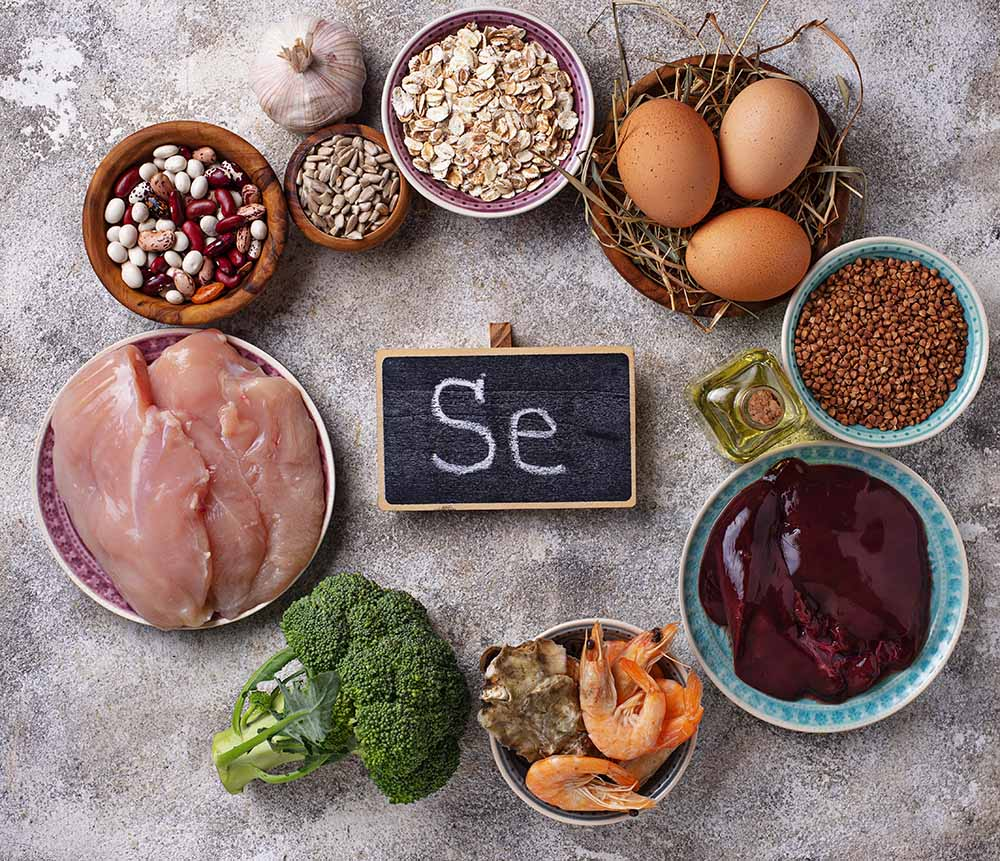
Zinc is also found in fish, meat, nuts, pumpkinseeds, chickpeas, and lamb.
Another mineral that is good for fertility is selenium. It is important to protect the body from free radicals, and to prevent damage to chromosomes that can cause miscarriage or birth defects.
Selenium deficiency in men can lead to a decrease in the motility of sperms and a decline in semen quality. Selenium can improve male fertility by improving the quality of the sperm, as well as its production and formation.
Selenium deficiencies can also affect female fertility, causing miscarriages, gestational complications and damage to the nervous system and immune system of the fetus.
Hay advises supplementation to help with fertility and selenium deficiency in males and women.
According to studies, a low selenium concentration in the blood serum during pregnancy is a good predictor for low birthweight.
Hay says that vitamin E can increase fertility by reducing free radical damage to sperm cell.
Vitamin E promotes sperm production with improved motility and vitality, increasing the likelihood of implantation.
This vitamin is also beneficial for women, as it can help them achieve a longer luteal phase (fertile), and better egg health.
Vitamin E’s EU reference value is 18IU / 12mg daily. Vitamin E is also found in nuts and seeds, kale, olive oil, and kale.
According to a study, after 14 weeks of selenium and vitamin E treatment in 690 patients, the sperm motility was significantly higher than before treatment.
BioCare’s ASC Plus contains zinc, selenium, and vitamin E, as well as the amino acids L-arginine and L-carnitine.
Selenium is also found in Brazil nuts and green leafy vegetables.
#6 If you are a man, try amino acids
This one is aimed at men or, more specifically, their sperm. Hay says that the amino acids L arginine, and L carnitine are essential for sperm protection and production.
The study selected 61 male adults and classified them as fertile or infertile based on their history and semen analysis. This was done to test the hypothesis of L-camitine helping maintain normal fertility. The results indicated that L-carnitine is essential in preserving male fertility.
A 2017 animal experiment conducted on 20 boars revealed that L-arginine increased sperm motility and normality as well as total sperm count and effective total number. It also improved libido performance.
Pumpkin seeds, turkey, peanuts and red meat are all good sources of L-arginine.
#7 Take folic Acid
The medical profession recommends that women take at least 400mcg folic acid when they are trying to get pregnant and while pregnant, because it can prevent neural tube defects such as spina bifida.
Hay advises that the Government recommends taking a supplement with 400mcg folic (folate), both before and during pregnancy. Folic acid is essential for normal tissue growth in the mother.
Women should take BioCare’s a href=”https://www.biocare.co.uk/methyl-pregnancy-multinutrient-60 capsules?gclid=CjwKCAjwqLblBRBYEiwAV3pCJnDMSmXIjwxAEB4W0-KPR2N5vXEjoFvlFZ26SeBCldLjXMxWjUeglRoCh Hay recommends BioCare’s Pregnancy Multi-Nutrient to women.
5-MTHF is a natural form of folate that can be found in leafy greens and other foods. It is active and ready to use by the body.