Ashley
Nourishing Your Brain: 7 Essential Nutrients for Optimal Brain Health
What about the brain? We all know how to maintain a healthy body, but what do we know about maintaining a healthy brain with food? Ron Hobson, a nutritionist, suggests 7 key nutrients to eat for a healthy brain
The brain is a complex organ that connects to every part in our body.
The impact of aging on the brain begins in our 20s and continues to diminish afterward.
What if you were told that the foods that you choose to consume could help future-proof your mind, helping to maintain cognitive functions, combat brain fog, and ward off dementia? Intrigued?
The foods you choose to consume could future-proof the brain
The campaign ‘Navigating Brain Health,’ launched by Healthspan and nutritionist Rob Hobson, an award-winning nutritionist, examines brain food, and how a variety of nutrients, including vitamins, minerals and essential fatty acid, can help support your brain’s health.
All of these nutrients play a role in the development and function of our brains. They also protect them from damage, such as inflammation.
Add these foods on your shopping list to improve your brain.
#1 Omega 3s
The most important Omega 3 fatty acid is EPA.
Hobson says that EPA has anti-inflammatory properties which could protect brain cells against degeneration.
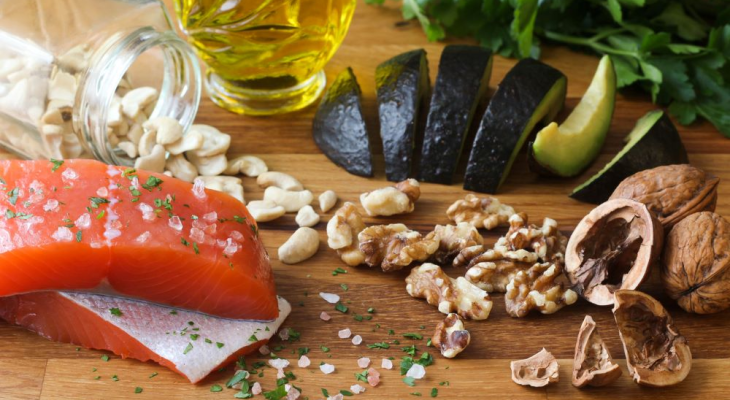
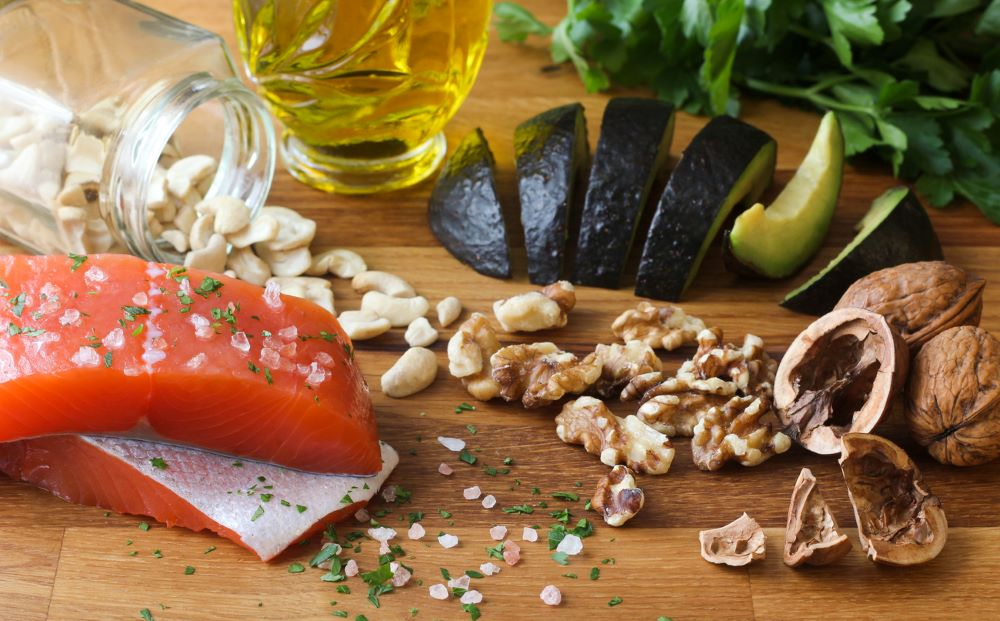
Oily fish is the primary source of Omega 3 in our diet (such as trout, salmon, mackerel and herring). Oily fish is not for everyone and the intakes are low.
Eating fish twice a week reduced dementia risk by 44%
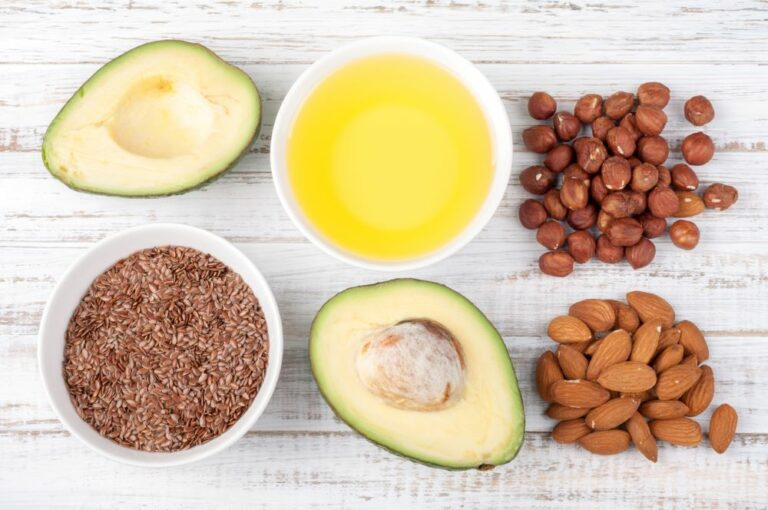
Nuts, seeds, dark-green leafy vegetables, and soy products are all sources of ALA, which is omega 3.
Hobson explains that the conversion of ALA into the forms of EPA and DHA in the body is poor, which is why vegans might struggle to get enough.
A supplement such as High Strength Omega 3 by Healthspan, PS14.95 can be helpful. There are vegan omega 3 supplements that are made from sea algae.
Do you need another reason to make sure you get enough omega 3 in your diet? In a large study, over 2000 adults were asked to eat fish twice weekly. The results showed that the risk of dementia was reduced by 44 percent.
#2 B vitamins
The B complex is a group of eight B vitamins.
Hobson says that recent studies suggest all of the nutrients in this category have a role in supporting brain function.
They act together to make neurons (aka our brain cells) work more efficiently.
B vitamins help remove cell waste, allowing cells to perform optimally. The majority of this waste comes in the form proteins, which can form toxic clumps for the brain if not removed. Rob says:
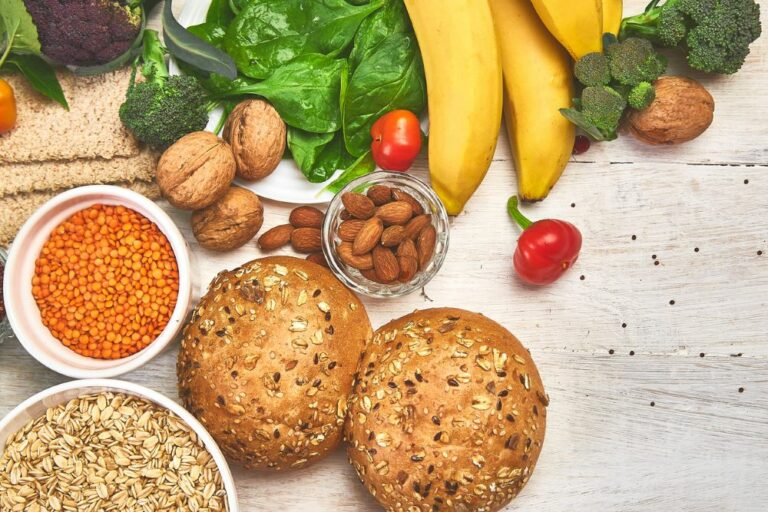
Hobson explains that ‘Many food items contain B vitamins, but for the best results from your diet, you should focus on wholefoods eaten in their natural state, which include wholegrains dark green leafy veggies, eggs, fish, meat, beans, lentils and pulses’.
Vegans may struggle to obtain enough B12, so they should focus on fortified food such as nutritional yeast and plant-based beverages (nuts, soya, coconut, oats, etc.).
Vitamin D
This vitamin is neuroprotective, and it regulates genes that are crucial for brain function.
Vitamin D can also help reduce inflammation, which is a factor in chronic diseases and the degeneration of the brain.
According to a study published in Neurology , chronic inflammation can affect brain health and lead to cognitive decline.
A world-first, published by the American Journal of Clinical Nutrition from the University of South Australia, involving 295,000 genetic profiles of the UK Biobank suggests that low levels of vitamin D are associated with smaller brain volumes, and that correcting the vitamin D deficiency may prevent up to 17 percent of cases of dementia.
Hobson explains that a lack vitamin D can also lead to depression and poor mood.
The sun provides most of the vitamin d our body needs. However, in the UK there is not enough sunshine for much of the time between October and March. Therefore, the UK government suggests taking a daily vitamin d supplement.
All year round supplementation is recommended for people with dark skin, those who spend most of their time indoors, and anyone over 50.
A lack of vitamin D can also lead to depression and a bad mood
It is essential to protect your skin against the damaging effects of excessive sun exposure. You still need to expose your skin to sunlight without sunscreen in order to absorb vitamin D.
When used properly, a sunscreen that has a sun protection rating of SPF8 will reduce vitamin D3 production in the skin to 95%, and SPF15 will reduce it to 99 percent.
Unlike most vitamins, vitamin D is not easily obtainable through food. Although eggs, butter, and oily fish are also included, these foods don’t make up the majority of Brits’ weekly diets.
Public Health England (PHE), the UK’s national health agency, recommends that all adults take 10 micrograms of vitamin D (400 IU) per day.
The new book A Blueprint for Strong Immunity is written by Dr Jenna Macciochi.
Get outdoors for at least 15 minutes every day. It has proven benefits to our health.
Choose a vitamin D3 supplement (cholecalciferol), as it is more effective at maintaining blood levels of vitamin D than the vitamin D2 form (ergocalciferol). Try Healthspan’s new vegan delicious blackcurrant Vitamin D3 Gummies, PS8.95

#4 Vitamin E
This vitamin is just one of many nutrients that are antioxidants. Antioxidants protect the body against free radicals.
Free radicals are not harmful to the body, contrary to popular belief. They help the immune system to destroy foreign invaders.
Free radicals are a form of oxidative damage that can occur when they are over-produced. This can cause tissue and cell damage, including brain cells.
Vitamin E can be obtained from foods like avocado, spinach and butternut squash.
#5 Flavonoids
You’ve never heard of flavonoids. These compounds, which are sometimes called vitamin P, come from plants. They tend to be plants with a rich, deep colour. These plant compounds have protective effects on the brain.
Flavonoids may be helpful because they increase blood flow to brain. Hobson explains that this, in turn helps deliver more oxygen and nutrients such as glucose, the main source of energy for neurons.
Researchers have found that eating foods rich in this compound can improve memory, learning and slow down the age-related loss of memory.
They help boost blood flow to brain
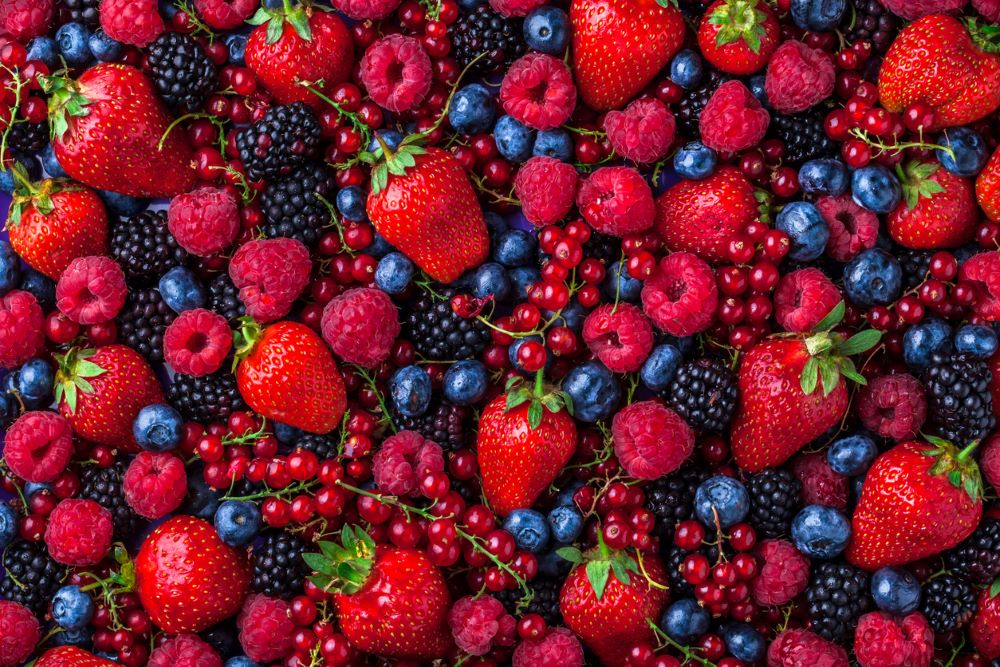
Flavonoids can be found in foods like citrus fruits, berries and red and purple fruits. You can also eat vegetables and fruits such as red cabbage and grapes, as well as broccoli and dark leafy greens.
Dark chocolate, onions, ginger and green tea are also rich in flavonoids. Soy products (including tofu or tempeh) as well as celery, parsley oregano, and miso can be a good source of flavonoids.
#6 Iron
Iron deficiency affects 27 percent of women and 50 percent of girls in their teenage years.
Iron is necessary to produce healthy blood cells that carry oxygen and nutrients throughout the body. Hobson explains that iron is not only important for brain health but also for oxygen delivery.
Low iron levels can cause fatigue and tiredness, which affects concentration. It is also believed to be a contributing factor to the ‘brain fog’ that occurs when there is low oxygen in the blood.
You can increase iron absorption by pairing plant-based food with vitamin C
Iron intake can be increased by eating dark leafy green vegetables, legumes, lentils and meat.
Hobson says that iron absorption can be improved by pairing plant-based food with vitamin C and avoiding drinking tea at meals.
Consider taking a supplement. The Love Your Brain Supplement, PS19.95, contains 28 days’ worth of brain-loving nutrients including iron.
#7 Fibre
The gut plays a vital role in many aspects of health, including digestion.
Hobson says, ‘We are beginning to understand how important these microbes can be because they help us regulate gut brain communication in a positive way for our mental and physical health.
A diet high in fibre, such as fruits, vegetables and whole grains can promote gut health.
You can also add probiotics to your diet to increase the amount of beneficial bacteria in the gut. Healthspan’s SuperPro 50 capsules contain five strains and cost PS29.95.
READ MORE: Need More Fibre? Linseed is a great source of fibre.
The foods to avoid
It’s important to not only include certain foods in your diet but also to avoid others.
Hobson says that high-quality food is rich in nutrients which are good for your health. Poor quality food can be detrimental to the brain’s health. Hobson says that high-quality foods are rich in nutrients which promote health, while low-quality foods can harm the brain.
These ultra-processed food products, which are high in sugar and bad fats, can negatively impact brain health. This includes processed meats and snacks, sugary drinks and foods, and pre-packaged foods.
Hobson reveals that these foods contain a lot of salt, which can cause blood pressure to increase.
Poor quality food can harm your brain
Research shows that high blood pressure during midlife increases your risk of dementia, particularly vascular dementia, in later years.
A high sugar intake can cause inflammation and oxidative damage to cells.
It is well known that a balanced diet supports good health, and this includes your brain’s health. The Mediterranean diet, which is high in nutrients that support brain function, is a great example.
This way of eating, according to research, may also prevent cognitive decline later in life. While research continues to reveal the role supplements can play in filling in any gaps in your diet, they also have a role in bridging those gaps.
Like this article? Subscribe to our newsletter for more articles just like this.